

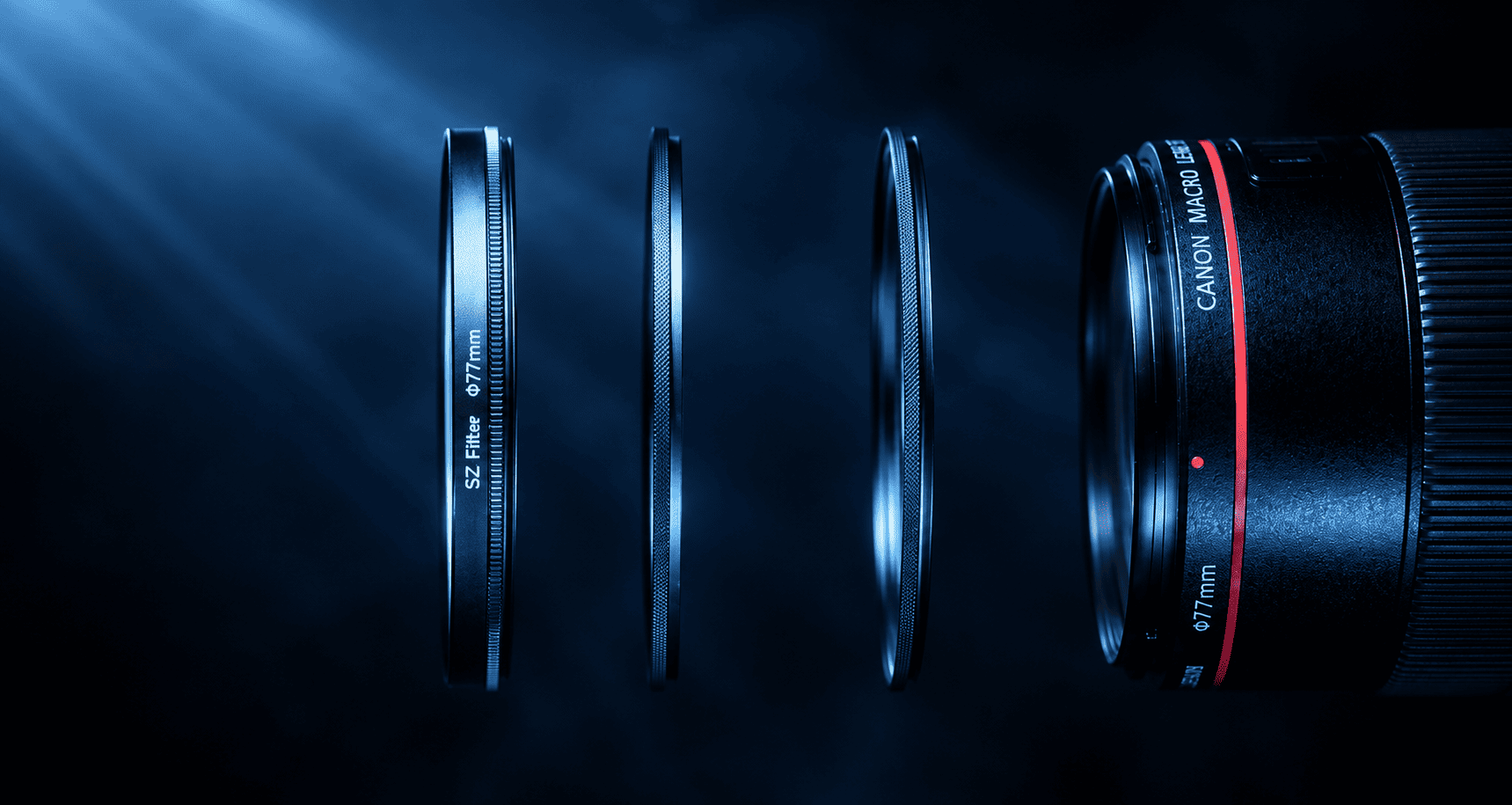
Lens filters have been part of photographers’ gear for decades, but the way we attach them to our lenses has evolved.
The traditional system uses a thread to secure the filter directly to the front of the lens. Magnetic systems offer a different approach, allowing filters to be attached and removed without screwing them on every time.
But does that mean one system is always better than the other?
Not necessarily. The real difference comes down to how you work and what you need during a shoot.
You attach threaded filters directly to the front of the lens by rotating them into place.
It’s a simple, familiar, and practical system, especially when you plan to use the same filter for most of a shoot.
The difference becomes more noticeable when you want to switch effects several times. You need to remove one filter and attach the next before you can continue shooting.
That isn’t necessarily a problem.
It simply requires a few extra steps.
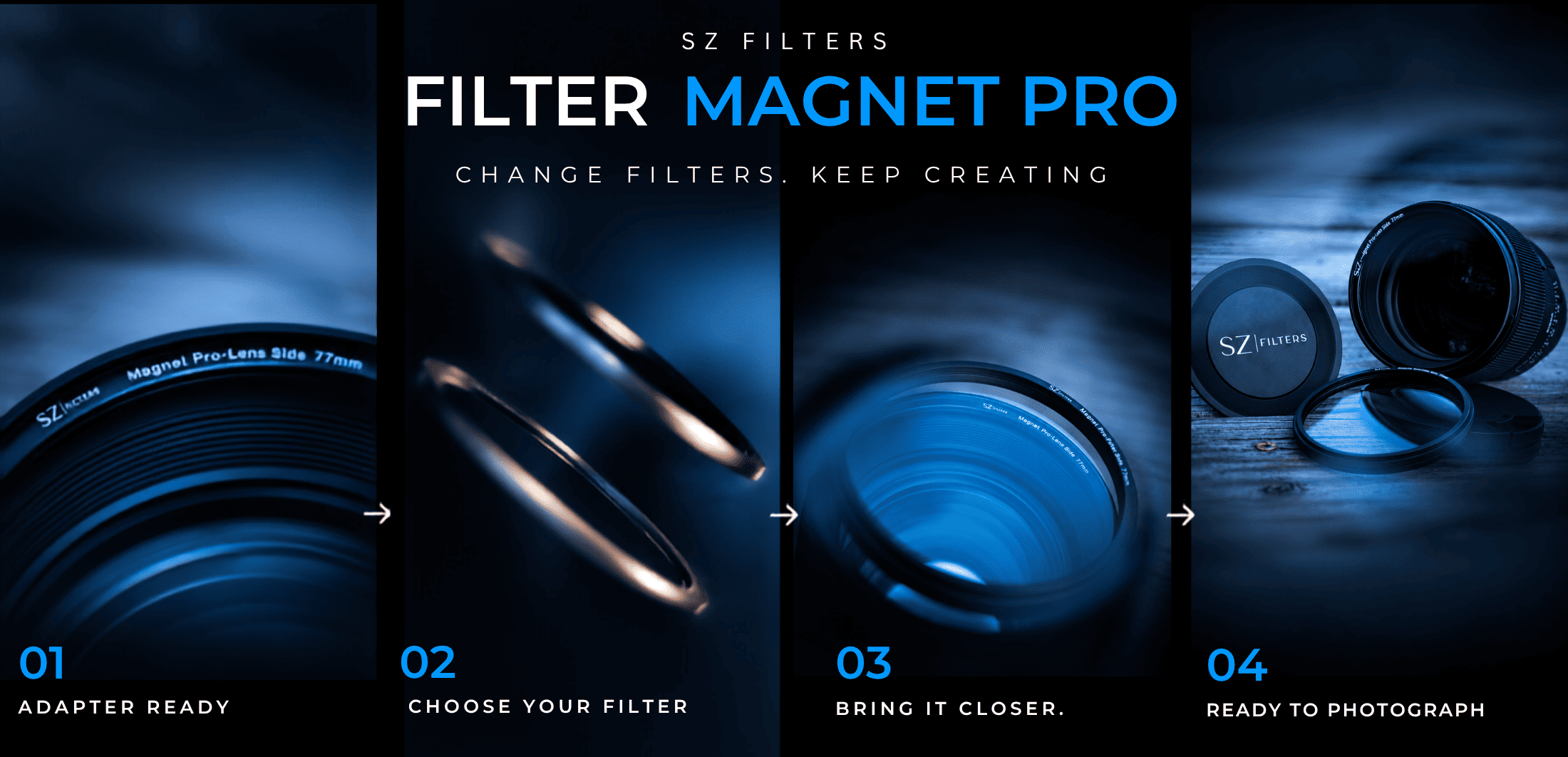
With a magnetic system, the main difference is how the filter connects to the lens.
Once you install the compatible magnetic system on your lens, you can attach and remove filters without screwing them on each time.
This can be especially useful when experimenting with different creative effects during the same shoot.
You want to try a filter.
Attach it.
The scene changes.
Remove it or try another.
The process becomes more immediate, allowing you to keep experimenting while you shoot.
When you have plenty of time to prepare a photograph, a few extra seconds may not seem important.
But a real shoot can be different.
Light changes. Your subject moves. Sometimes an interesting reflection appears, or a new composition comes together in just a few seconds.
In those moments, the way you work with your filters can affect how smoothly your creative process flows.
For photographers who keep the same filter on for most of a shoot, a threaded system can work perfectly well.
For those who like to experiment with different effects as they shoot, a magnetic connection can make switching between them more convenient.
Speed shouldn’t be the only factor when choosing a system.
A threaded filter connects mechanically to the lens when you install it correctly. With a magnetic system, the filter is held in place through the connection between compatible components.
In either case, it’s important to use compatible components and make sure everything is properly attached before you start shooting.
Your choice should give you the confidence to focus on the image, not your gear.
Not every lens uses the same front filter diameter.
You may have several lenses with different filter sizes and still want to use the same creative filter across them.
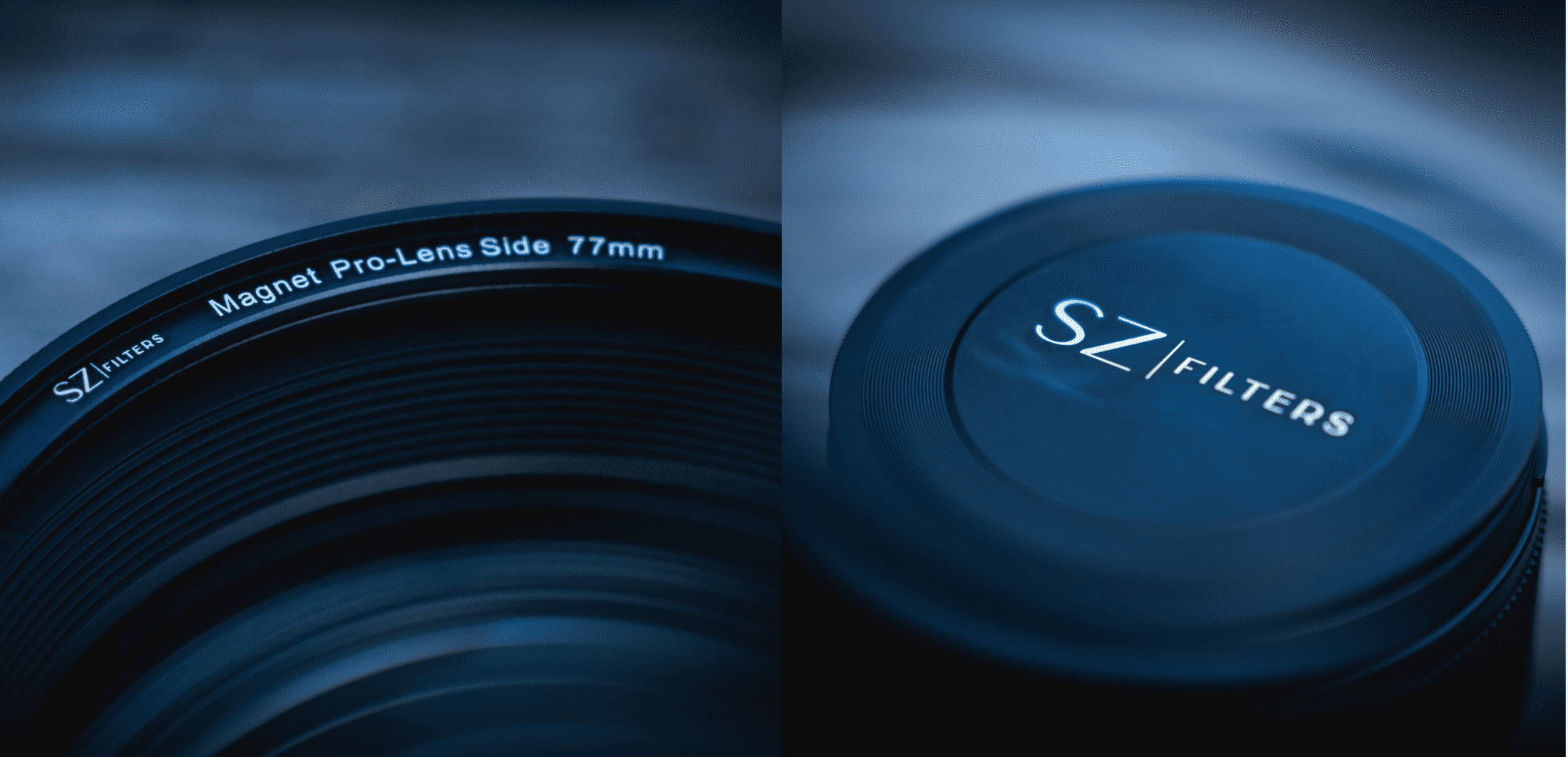
This is where adapter rings can simplify your setup. They allow certain lens diameters to be adapted to a compatible main filter size.
This can help you avoid buying the same creative filter in multiple sizes and make it easier to build a system around the lenses you already use.
There is no single answer that works for every photographer.
Threaded filters offer a traditional and straightforward system, while magnetic filters can make switching filters more convenient during a shoot.
The right choice depends on your needs, your gear, and the way you prefer to work.
What matters isn’t choosing the “better” system—it’s choosing the one that lets you create more comfortably.
Explore our creative filters, discover both systems, and find the option that best fits the way you shoot.
 EXPLORE CREATIVE FILTERSEXPLORE FILTER MAGNET PRO