

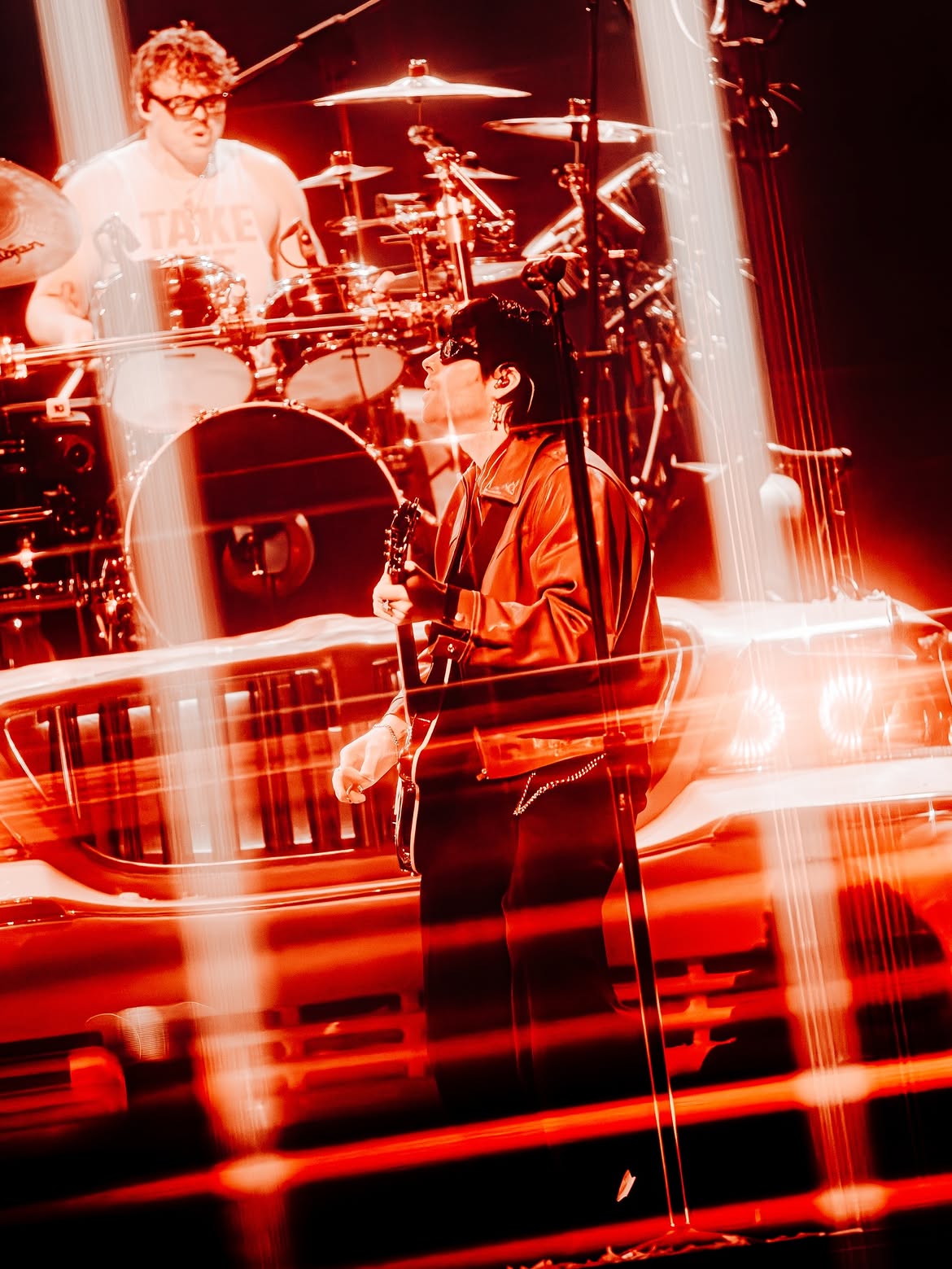
Concert photography is one of the most demanding genres in photography. Every performance happens only once, stage lights change constantly, and artists never repeat the exact same movement. In a matter of seconds, a scene can shift from being brilliantly illuminated to completely shadowed, requiring every concert photographer to adapt without losing sight of the decisive moment.
For Zach Hood, that unpredictability is exactly what makes live music photography so rewarding. His goal isn’t simply to document a performance—it’s to capture the emotion, energy, and atmosphere that make every concert a unique experience.
Unlike many other photography genres, concert photography rarely offers a second chance. At many events, photographers are only allowed in the pit for the first three songs. Those few minutes are all they have to find the best angles, anticipate the artist’s movements, and adapt to constantly changing lighting conditions.
Every frame must be intentional. There’s no asking an artist to repeat an expression, replay a song, or return to the perfect spot on stage.
On top of that, most concerts prohibit flash photography, making it essential to work entirely with available light. Learning to read the rhythm of the lighting and anticipate changes is one of the defining skills of every live music photographer.
It’s this combination of pressure, experience, and instinct that makes great concert photography so remarkable.
For many photographers, spotlights, LED panels, and beams of light are among the biggest challenges at a concert. For Zach Hood, however, they have become part of the creative process.
Rather than avoiding them, he embraces them. He waits for the exact moment when the lighting complements the artist’s movement, using it to create compositions with greater depth, contrast, and drama. Light stops being just a way to illuminate the stage—it becomes part of the story each photograph tells.
This unique approach is one of the defining characteristics of Zach’s style and demonstrates how stage lighting can become one of the most creative elements in concert photography.
Thousands of people may attend the same concert, hear the same songs, and witness the exact same performance. Yet no two photographers come away with the same images.
Every photographer interprets the scene differently. Some focus on facial expressions, others on movement or the connection between the artist and the audience. For Zach Hood, lighting plays a central role in that story.
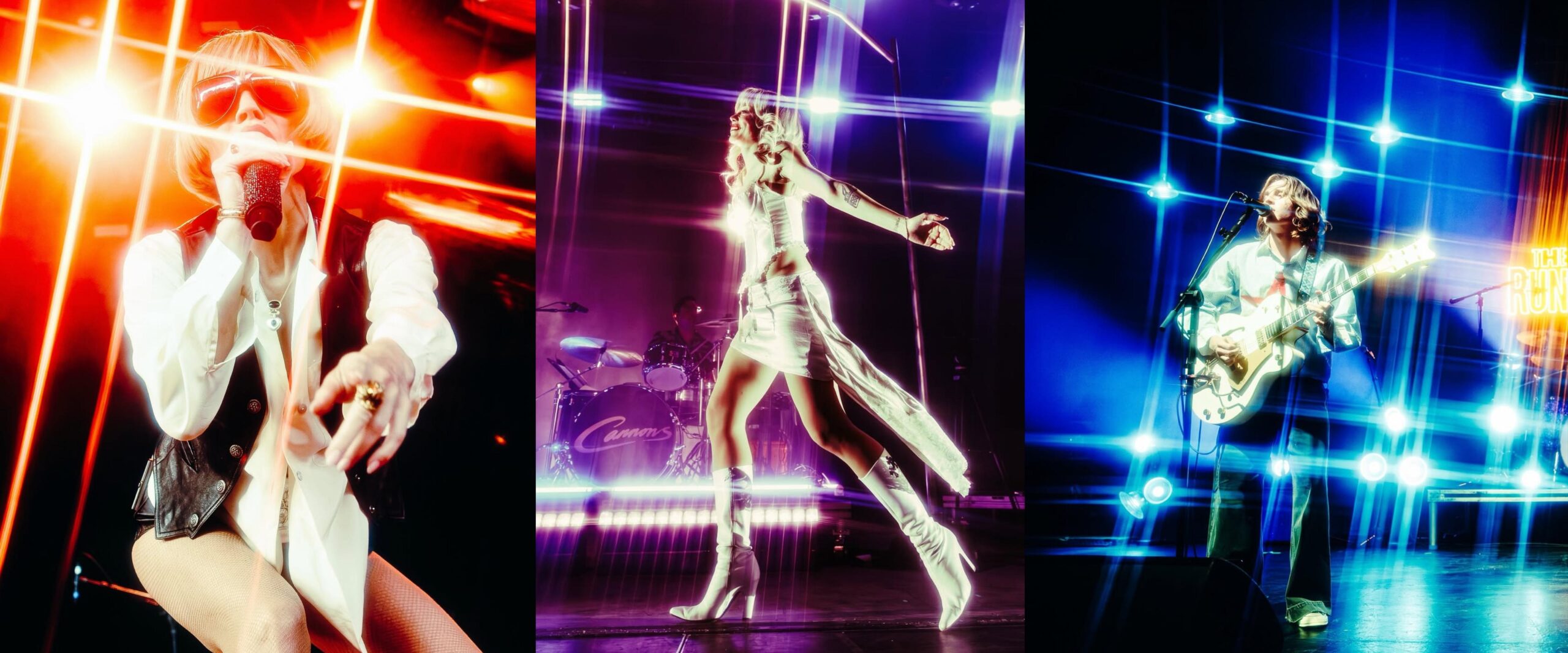
Instead of simply illuminating the stage, the lights become compositional elements that add depth, guide the viewer’s eye, and define the mood of each photograph. His goal goes beyond documenting a performance—it’s about recreating what it felt like to be there.
Within that creative process, the SZ Filters Starlight Filter naturally finds its place. By interacting with existing stage lights, it transforms points of light into subtle optical starbursts created entirely in-camera. It doesn’t replace the concert lighting or change the authenticity of the moment—it simply allows light to become part of the photographer’s visual language.
Lighting has always been one of the most important elements in photography. During a concert, it also becomes part of the performance itself—changing with every song, shaping the rhythm of the show, and helping create the atmosphere experienced by the audience.
Zach Hood‘s work demonstrates that creativity isn’t just about reacting to changing conditions, but learning how to use them as part of your visual language. His approach turns every concert into an opportunity to create images that communicate far more than a performance—they preserve the emotion of a moment that will never happen in exactly the same way again.
In a world where many effects can be added during post-production, Zach prefers creating much of the final look directly in-camera. Tools like the Starlight Filters allow him to work with the real stage lighting to achieve a natural optical effect that enhances his style without distracting from the artist.
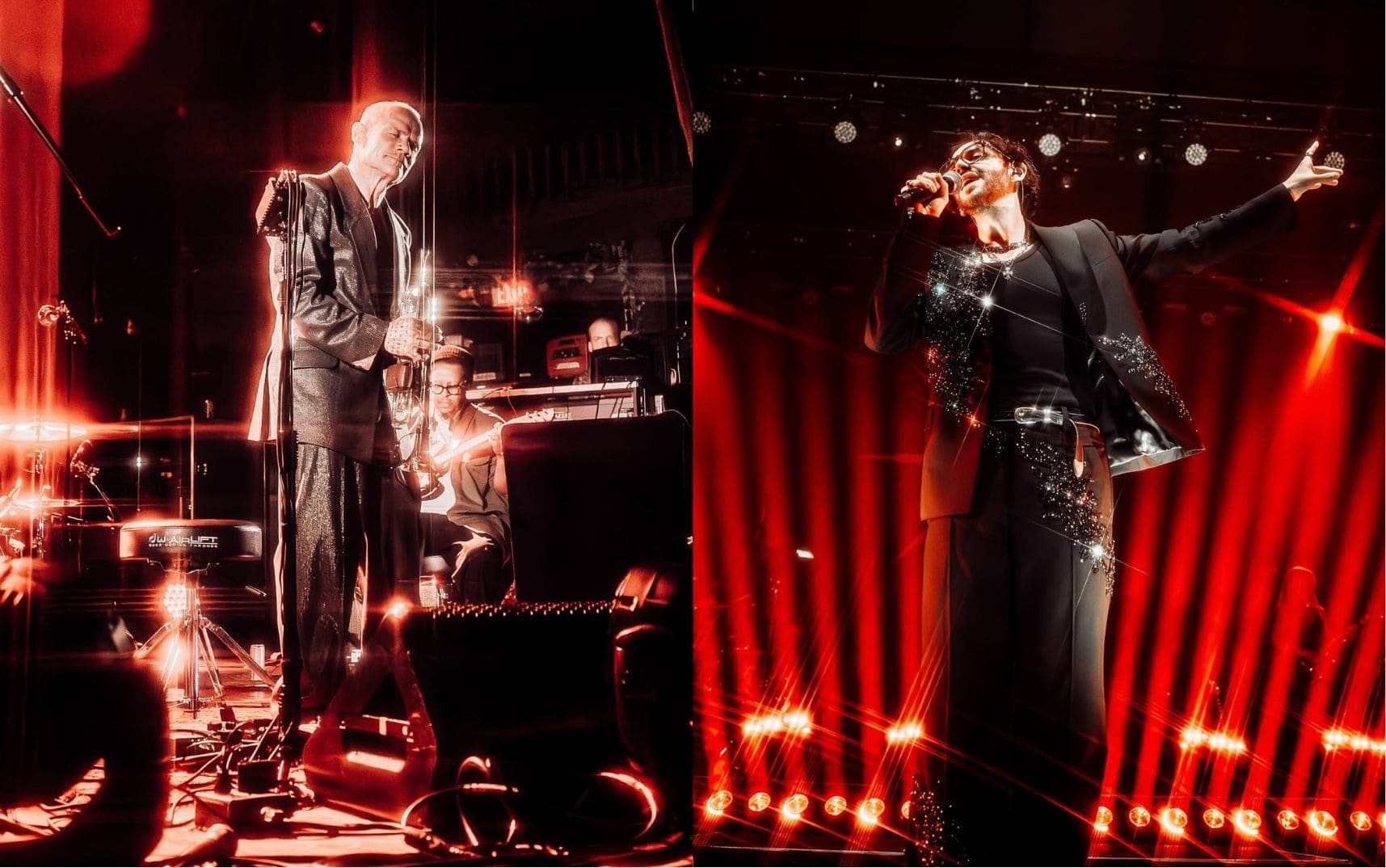 Photography by @zachhood.photo · SZ Filters Ambassador
Zach Hood has mastered the Starlight Collection, choosing each filter based on the effect he wants to create and the way he wants to interpret the stage lighting. Every model interacts with existing light sources to produce a unique starburst pattern directly in-camera.
Rather than offering different levels of intensity, each filter provides a different interpretation of light. The choice ultimately depends on each photographer’s creative style and the atmosphere they want to convey during a performance.
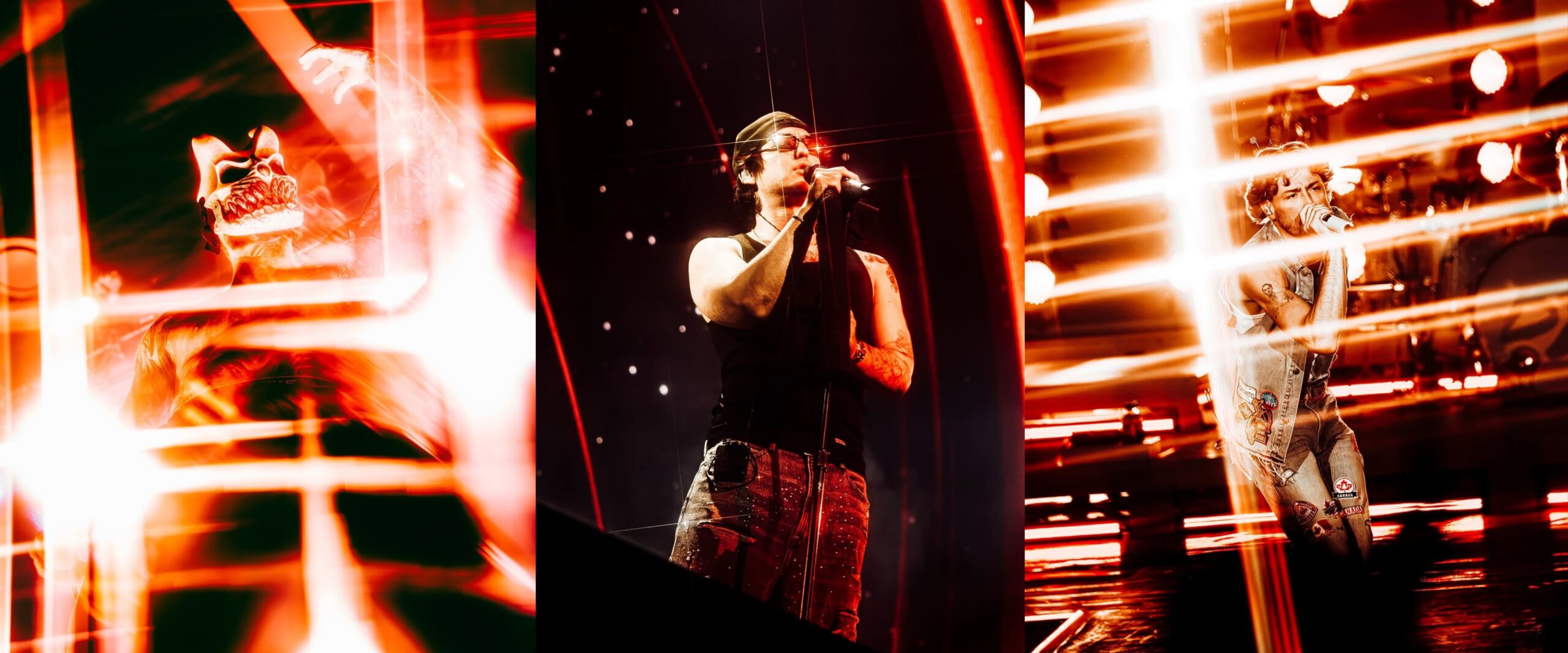
Many photographers eventually add more than one model to their kit, as each filter offers a distinct aesthetic and makes it possible to adapt to different lighting conditions while maintaining a completely in-camera workflow.
👉 Shop the Starlight Collection