

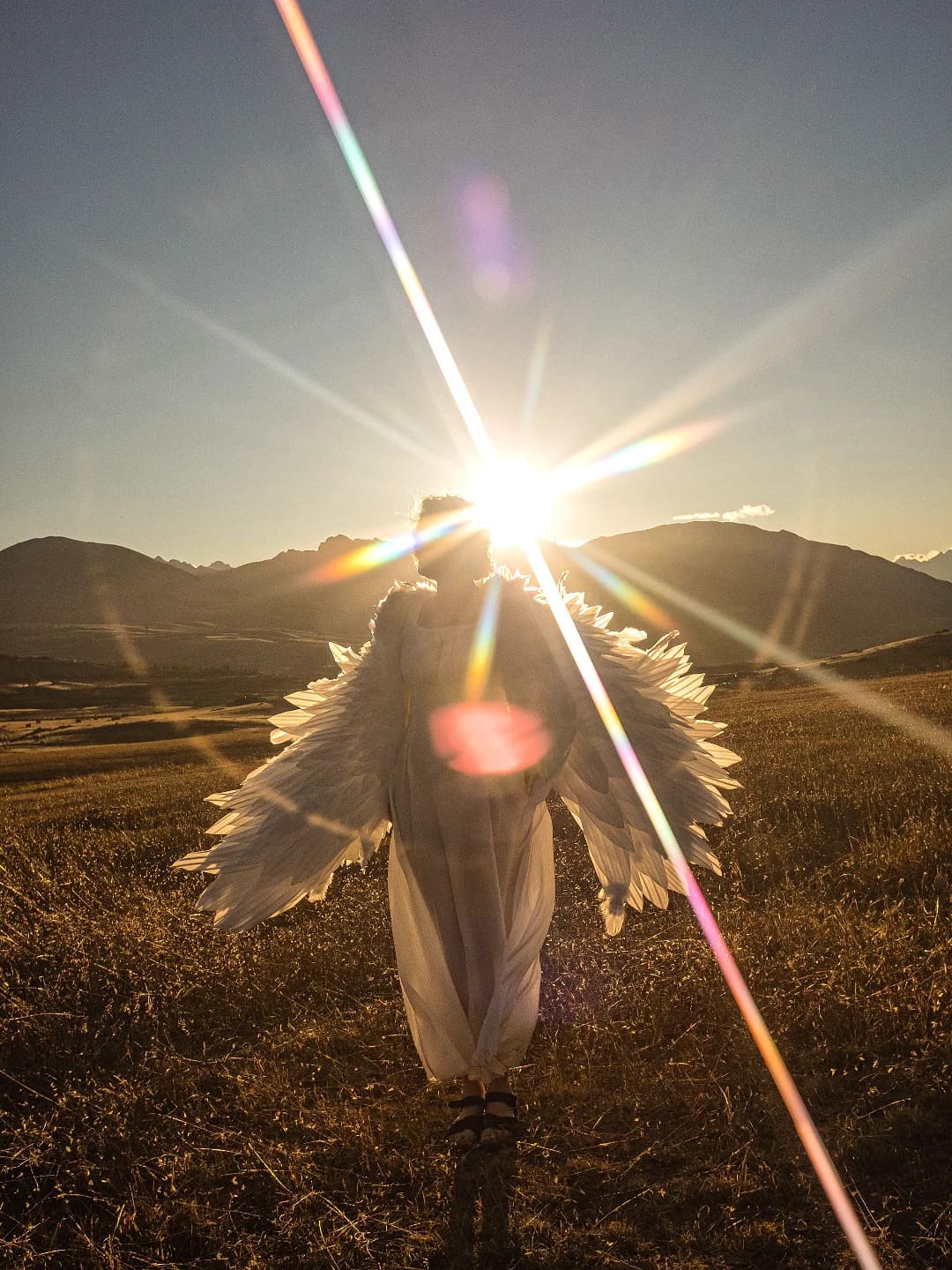
There is something instantly recognizable in Natalie Fernandez‘s portraits, even when each image feels
completely different.
Her work moves between softness, emotion, fantasy, fashion, warmth, shadows, and experimental light.
Some images feel delicate and dreamy. Others feel stronger, more cinematic, or filled with movement.
That range is part of what makes her photography stand out.
Over time, Natalie has developed a portrait style that feels expressive, personal, and constantly evolving.
She has a way of adapting each portrait to the person in front of her camera. The light, the styling, the
location, and the mood all feel connected.
Nothing feels random.
Each image has its own atmosphere, but still carries her creative identity.
Her work feels alive because it keeps changing.
And that is what makes it memorable.
One of the most interesting things about Natalie‘s photography is how naturally she moves between
different styles.
She can create portraits that feel soft and emotional.
She can also create images with stronger shadows, warmer tones, fantasy-inspired details, or a more
editorial feeling.
Instead of staying in one visual direction, Natalie allows each session to become its own world. The mood
changes depending on the subject, the light, the styling, and the story she wants the image to tell.
That versatility is not easy to achieve.
It requires more than knowing how to take a beautiful photo.
It requires understanding how to build a feeling.
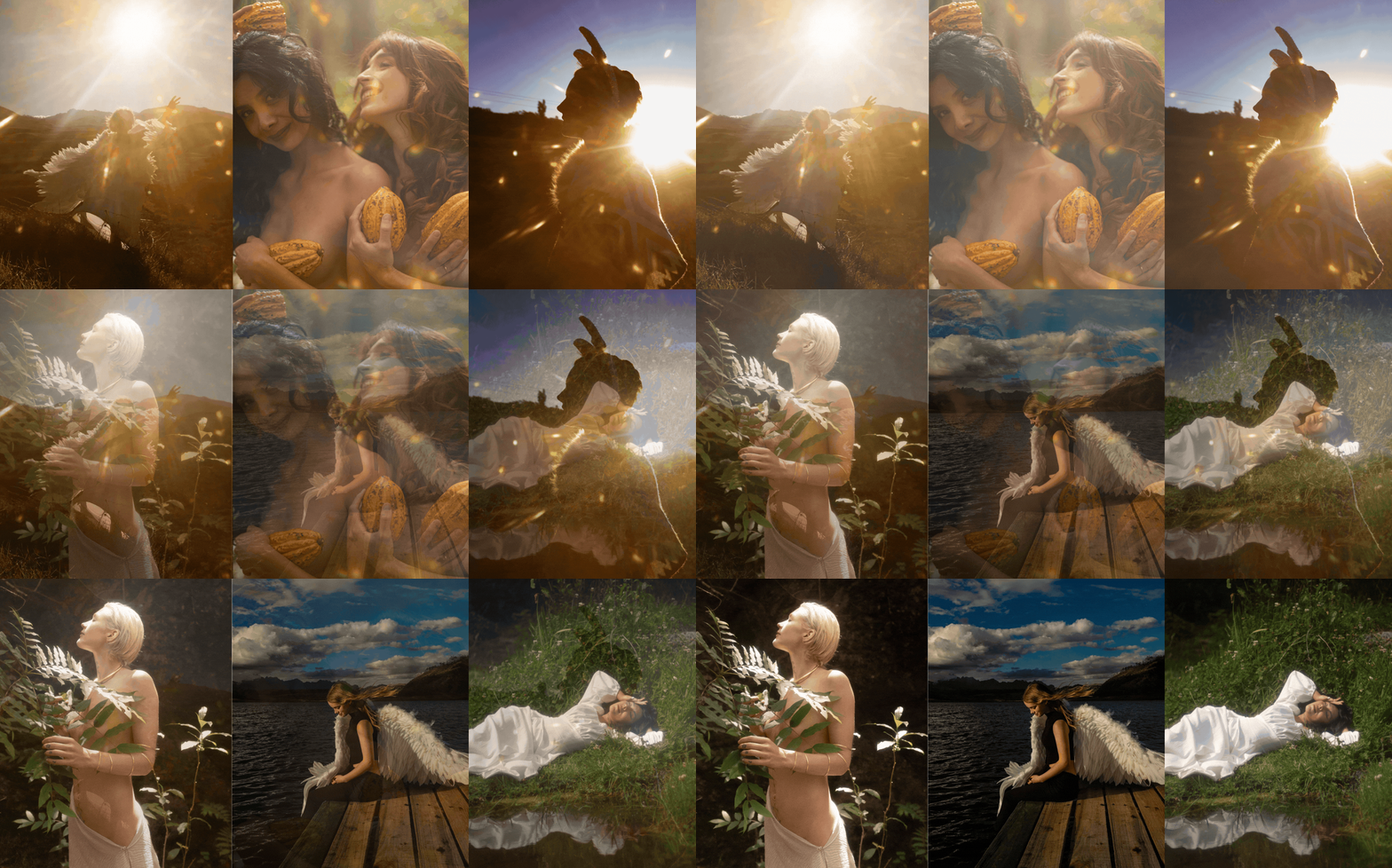
In Natalie‘s work, light does more than illuminate the subject.
It helps create the emotion of the image.
Sometimes the light feels soft and delicate. Sometimes it becomes warm and golden. Other times, it adds
movement, reflection, or a more dramatic atmosphere.
This is one of the reasons her portraits feel so expressive.
She doesn’t treat light as something separate from the photograph. She uses it as part of the composition,
part of the mood, and part of the story.
Whether she is working with natural light, shadows, reflections, or creative effects, the light always feels
intentional.
It helps guide the viewer into the portrait.
Natalie’s work also shows something important about creative filters.
They are not made to repeat the same effect over and over again.
In the hands of a photographer like Natalie, a filter changes depending on the light, the location, the styling,
and the intention behind the portrait.
The same creative tool can feel soft in one image, bold in another, or completely different when the scene
changes.
That is what makes her use of filters feel natural.
They don’t define her style.
They help expand it.
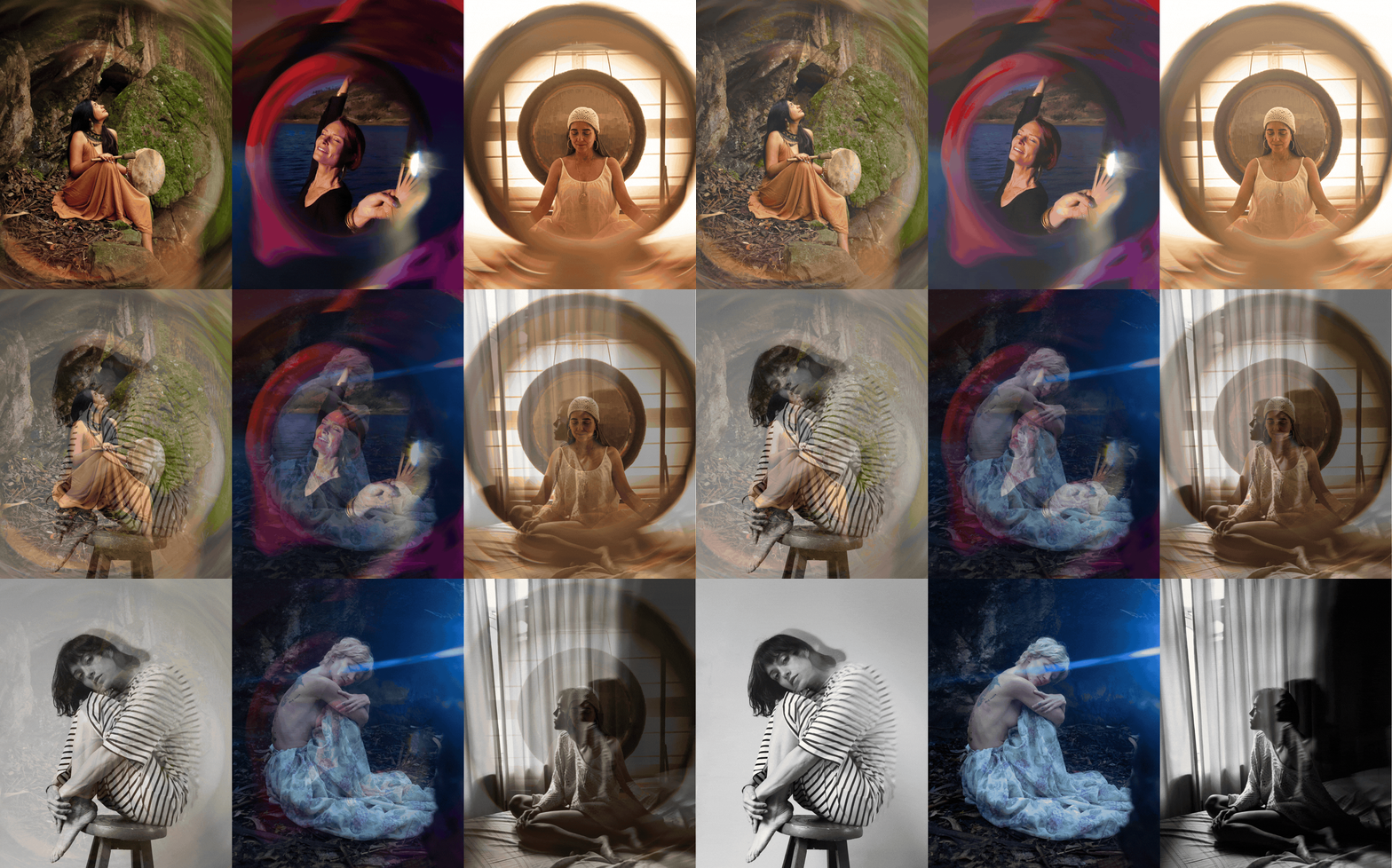
Natalie’s use of creative filters feels natural because each one becomes part of the mood she is building.
The Liner V2 Filter can bring clean directional light into a portrait, while the Double Liner Filter adds more
movement and visual rhythm. The Midas Touch introduces a warmer, golden glow that gives the image a
softer and more cinematic feeling.
But in Natalie‘s work, the filter is never the main subject.
It is simply one more creative decision that helps support the portrait.
What makes Natalie Fernandez‘s work memorable is that the effect never becomes the story.
The portrait does.
Light, color, reflections, and creative filters are present, but they always feel connected to the person in
front of the camera.
They support the feeling of the image instead of taking attention away from it.
That balance is what makes her work feel so intentional.
No matter how much the mood changes, her portraits always return to the same place: the person, the
emotion, and the story being created.
 EXPLORE CREATIVE FILTERS
Discover creative tools designed to inspire new ideas—not replace them.