

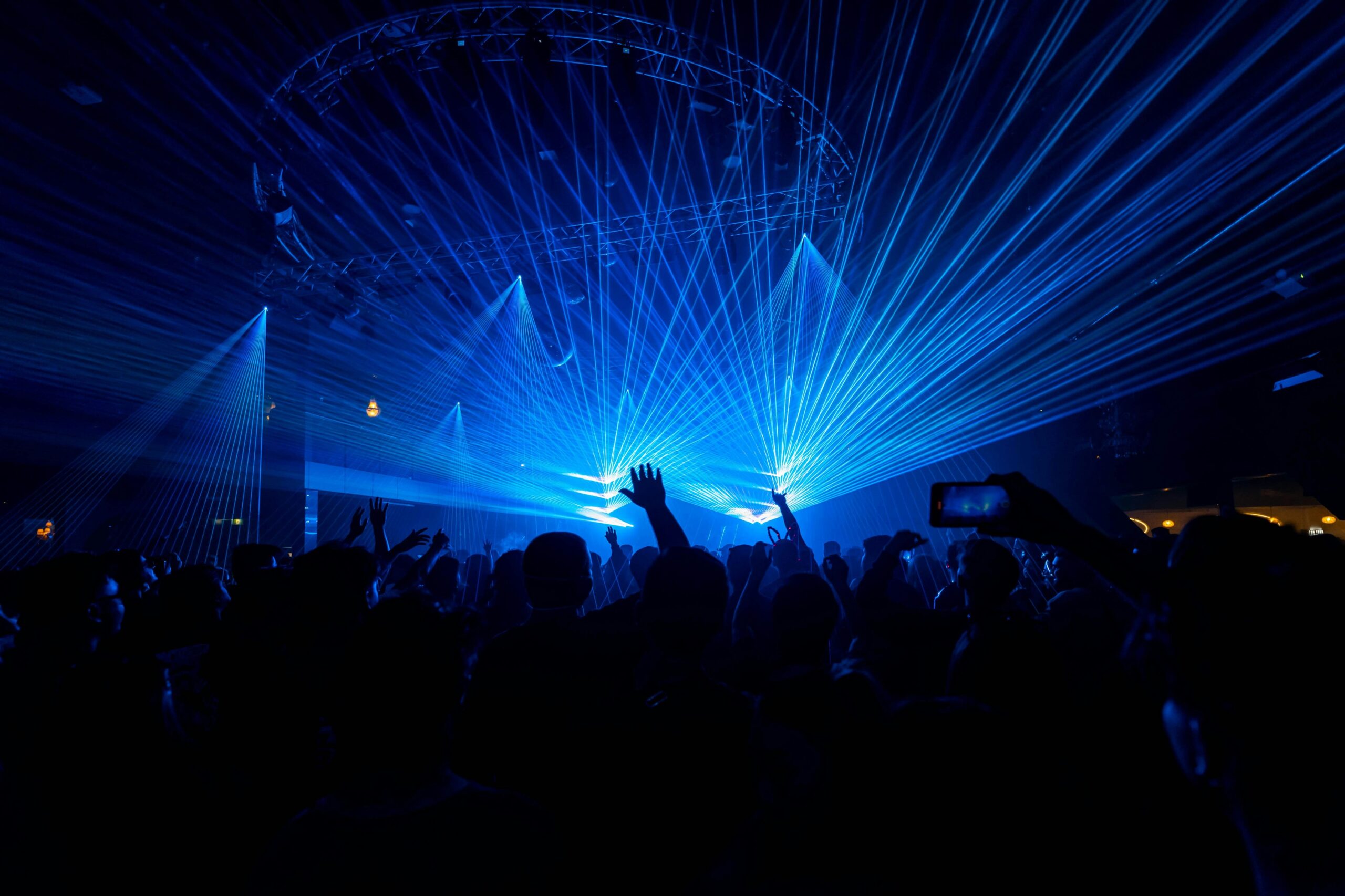
You’re photographing a concert. The lights are changing, the crowd is alive, and one of those moments you don’t want to miss is happening right in front of you.
Then a laser crosses your lens.
It lasts only a fraction of a second.
But the problem can continue long after the concert ends.
When a laser damages a camera sensor, the impact isn’t limited to a mark appearing in your images. It can also mean time without your main camera, unexpected expenses, and complications when you still have work to do.
When we think about laser damage, the first question is usually:
How much will it cost to repair my camera?
But the repair itself may be only part of what comes next.
A damaged sensor can mean diagnostics, specialized service, replacement parts, shipping, and waiting for your camera to come back.
And during that time, your main camera may be unavailable exactly when you need it most.
 Photo by A.J. on Unsplash
The impact can show up in several ways:
Repair or replacement
The damage may require specialized service or replacement components.
Temporary equipment
If you have another shoot coming up, you may need to quickly rent or find another camera body.
Time without your main camera
Repairs aren’t always immediate.
Work and income
A session, concert, or event won’t necessarily wait for your camera to be ready.
The real cost isn’t always found on the repair bill. It’s also everything that happens while your camera can’t work with you.
Laser damage often appears as permanent colored dots, horizontal or vertical lines, dark patches, or bands that remain in the same place across photos and video. The marks may still be visible after changing lenses or camera settings because the damage is on the sensor rather than the lens.
A concentrated laser beam can damage individual pixels in a fraction of a second. If you notice fixed marks after photographing a concert, stop pointing the camera toward laser sources and have the sensor inspected by a qualified service center.
For a deeper explanation of the risk and practical shooting precautions, read our guide to protecting a camera sensor from lasers at events.
At a concert or festival, the danger doesn’t only come from a laser pointing directly toward your camera.
A significant part of the risk can also come from reflections.
A beam can hit metal, glass, or another reflective surface and change direction before reaching your lens. Even when it no longer comes directly from the source, a reflected laser can still carry enough energy to represent a risk to the sensor.
That makes some exposures especially difficult to anticipate: you may be avoiding the main laser and still encounter a reflected beam coming from another angle.
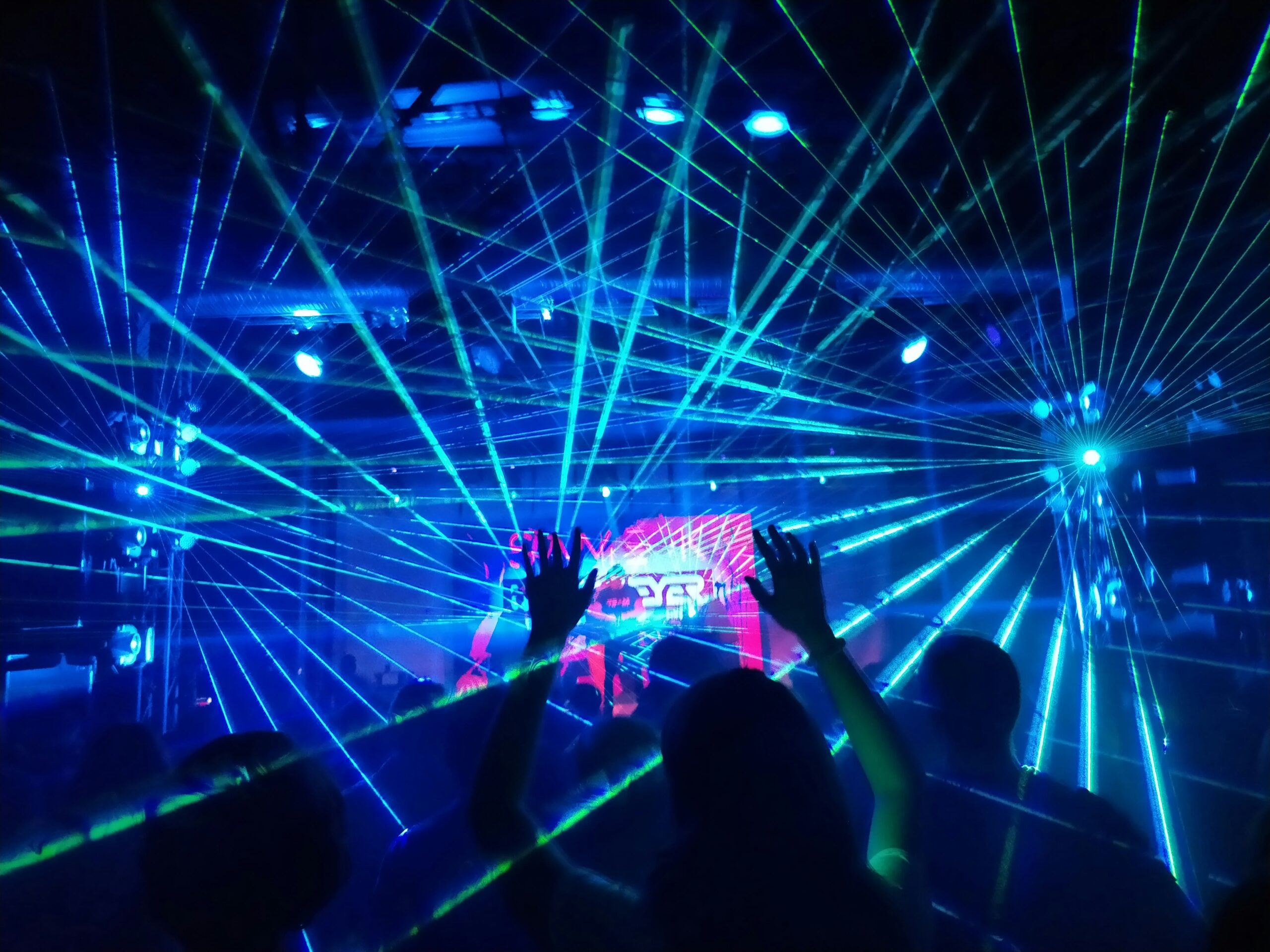
If you know lasers will be used, take a few seconds to observe the stage before you start shooting.
Look at where the beams originate, watch how they move, and avoid pointing directly toward the source whenever possible.
And remember that the laser you can clearly see isn’t always the only one that matters.
Sometimes, a small decision before the show can prevent a much bigger problem afterward.
You can’t always control where a laser will move during a concert, festival, or production.
But you can take precautions before you start shooting.
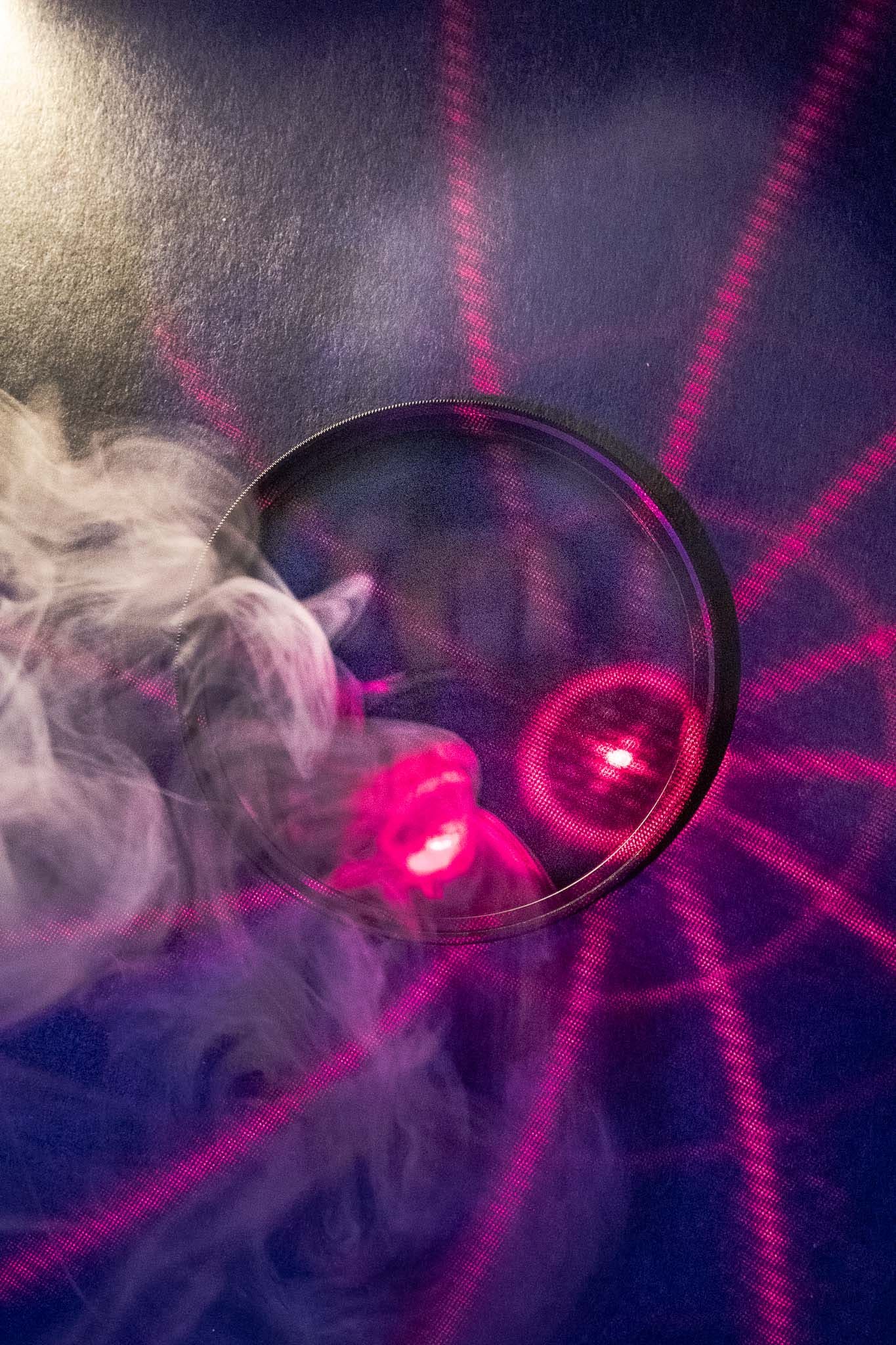
The SZ Filters Laser Protector was created as an additional layer of protection for photographers and filmmakers working in environments where accidental laser exposure can occur.
It doesn’t mean the risk disappears.
It means being better prepared before the problem happens.
A concert may last a few hours.
A festival may last a weekend.
But damage to the camera you depend on can affect you long after the lights go out.
So perhaps the real question is:
How much is it worth to protect the tool that allows you to keep working?
 EXPLORE THE SZ FILTERS LASER PROTECTOR