

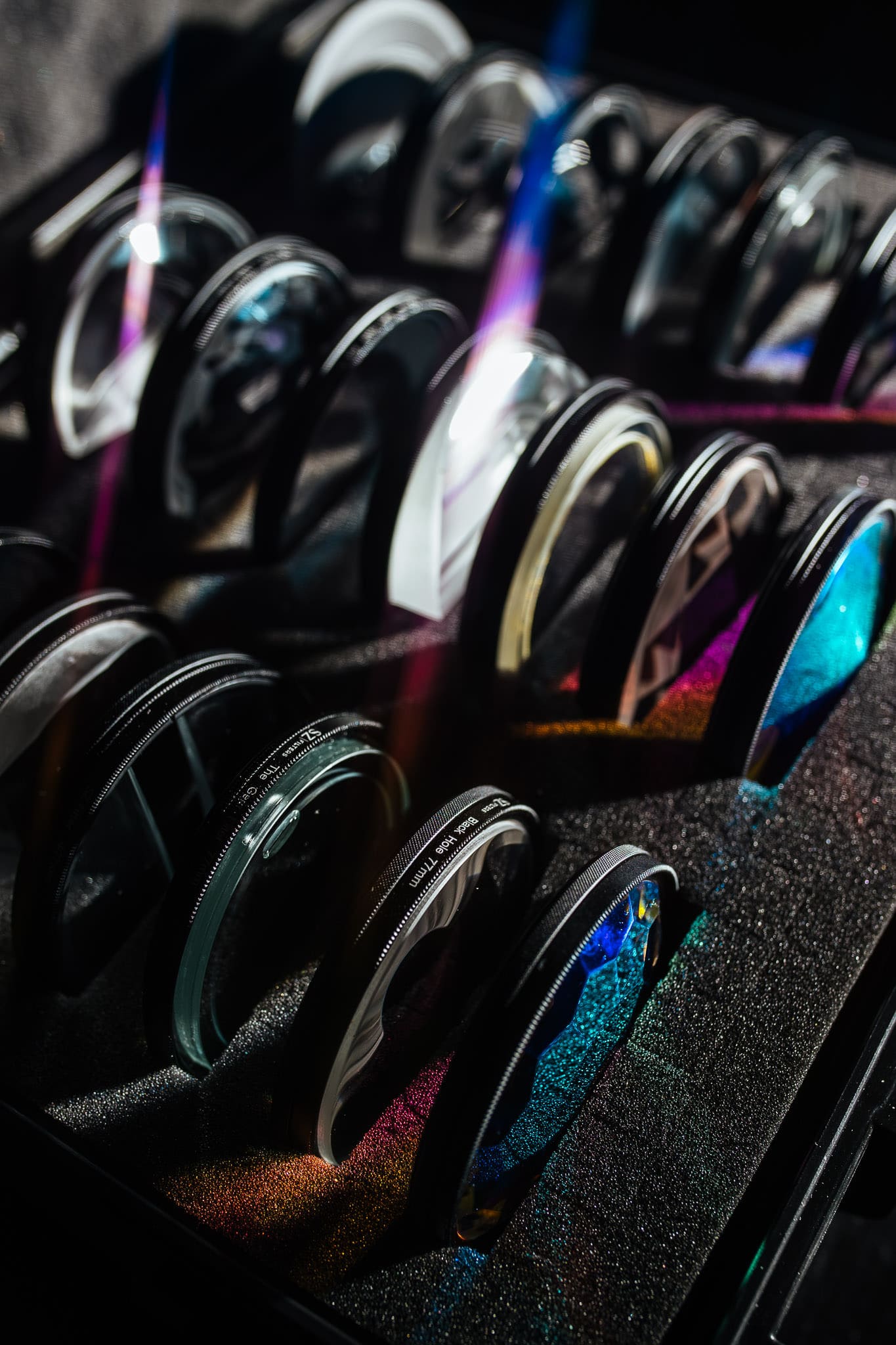
Creative filters are designed to transform light in different ways.
One may soften the scene. Another can stretch highlights into lines, create reflections, or
reshape bright points of light.
But what happens when you place two creative filters on the same lens?
Their effects begin to interact within the same photograph.
The result isn’t simply “more effect.” It’s a new combination created directly
in-camera.
The easiest way to experiment with stacking is to start with two filters that do different things.
Mystic Dream + Double Liner
Mystic Dream gives the scene a softer, more atmospheric character, while Double Liner transforms bright points into two parallel light streaks.
When combined, those characteristics can exist in the same frame: the softer atmosphere remains while the light streaks introduce direction and movement.
This is what makes stacking interesting.
Two familiar effects can create something different when they interact with the
same light.
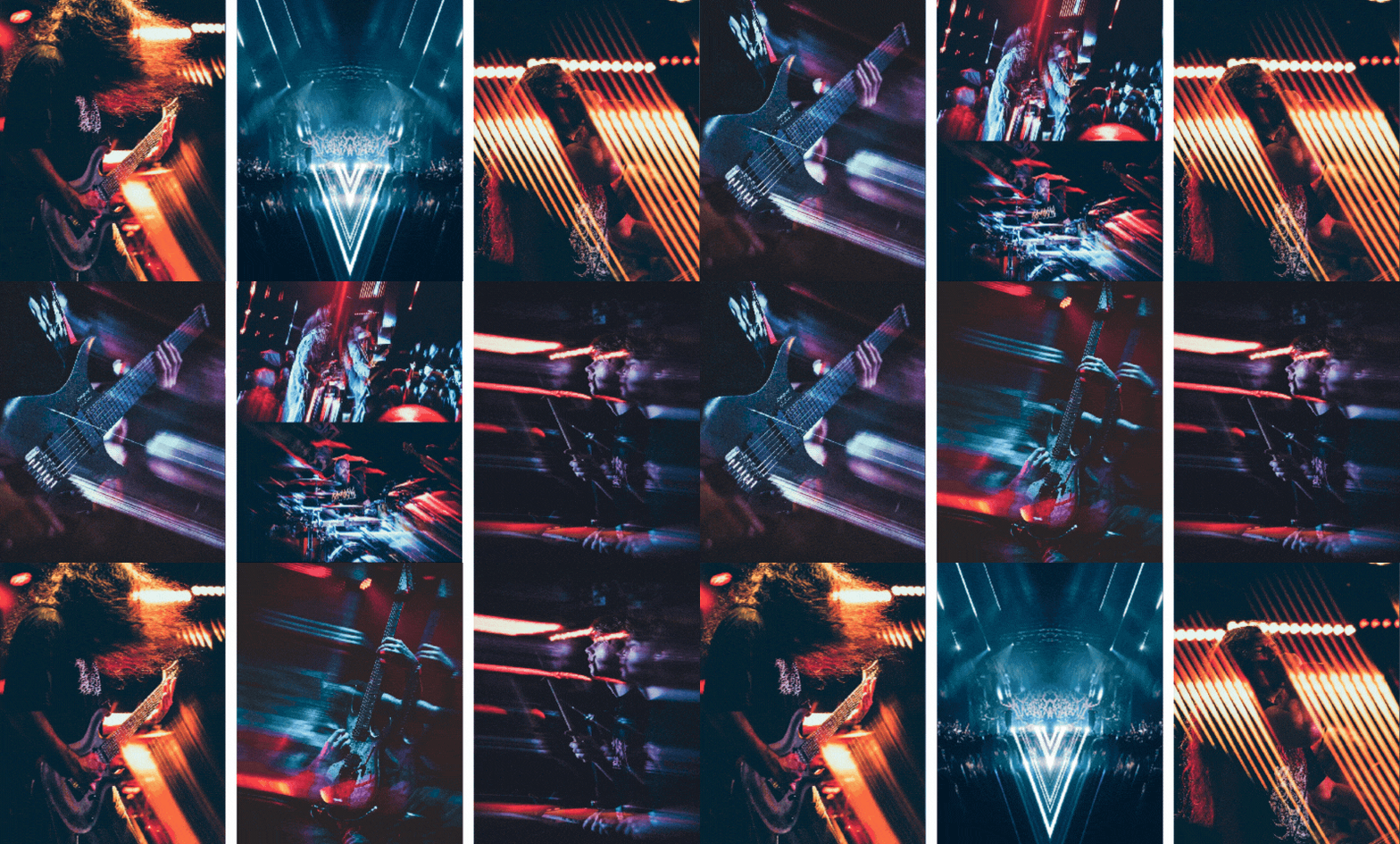 Photography by briankrahephotography · SZ Filters Ambassador
There is no single formula for combining creative filters.
A diffusion filter paired with a light-effect filter can behave very differently from two filters that both reshape highlights or reflections.
The result also depends on the scene itself. A concert filled with bright lights may give the filters much more to interact with than a softly lit portrait or an outdoor scene during the day.
That’s why the same combination doesn’t have to look identical every time.
The filters create possibilities. The light and the photographer decide what
happens with them.
What Should You Consider Before Stacking?
Vignetting
Adding more layers can increase the chance of dark edges appearing in the frame, particularly with wider lenses or thicker setups.
Reflections and flare
More optical surfaces can introduce additional reflections when strong light hits the lens.
Contrast
Depending on the filters, lighting, and angle, combining effects may change the contrast of the final image.
Intensity
Two strong effects can sometimes compete with the subject instead of supporting it.
And perhaps the most important factor is light.
Creative filters need something to interact with. Moving a light source, changing your angle, or repositioning the camera can sometimes transform the result more than adding another filter.
The easiest way to understand a combination is to build it gradually.
Start with one filter and look at what it changes.
Then add the second.
Rotate it. Change your angle. Move the light. Take another photograph and compare.
This makes it much easier to understand what each filter is actually contributing instead of simply stacking effects and hoping for an interesting result.
Some photographs may benefit from multiple effects.
Others may look stronger with only one.
The goal isn’t to see how many filters you can place in front of the lens. It’s to decide whether each additional effect actually contributes something useful to the photograph.
Sometimes the second filter completes the idea.
Sometimes you’ll put it on, look through the camera… and take it right back off.
That decision is part of the creative process too.
 Explore Creative Filters
There’s no perfect combination—only new ones to discover.
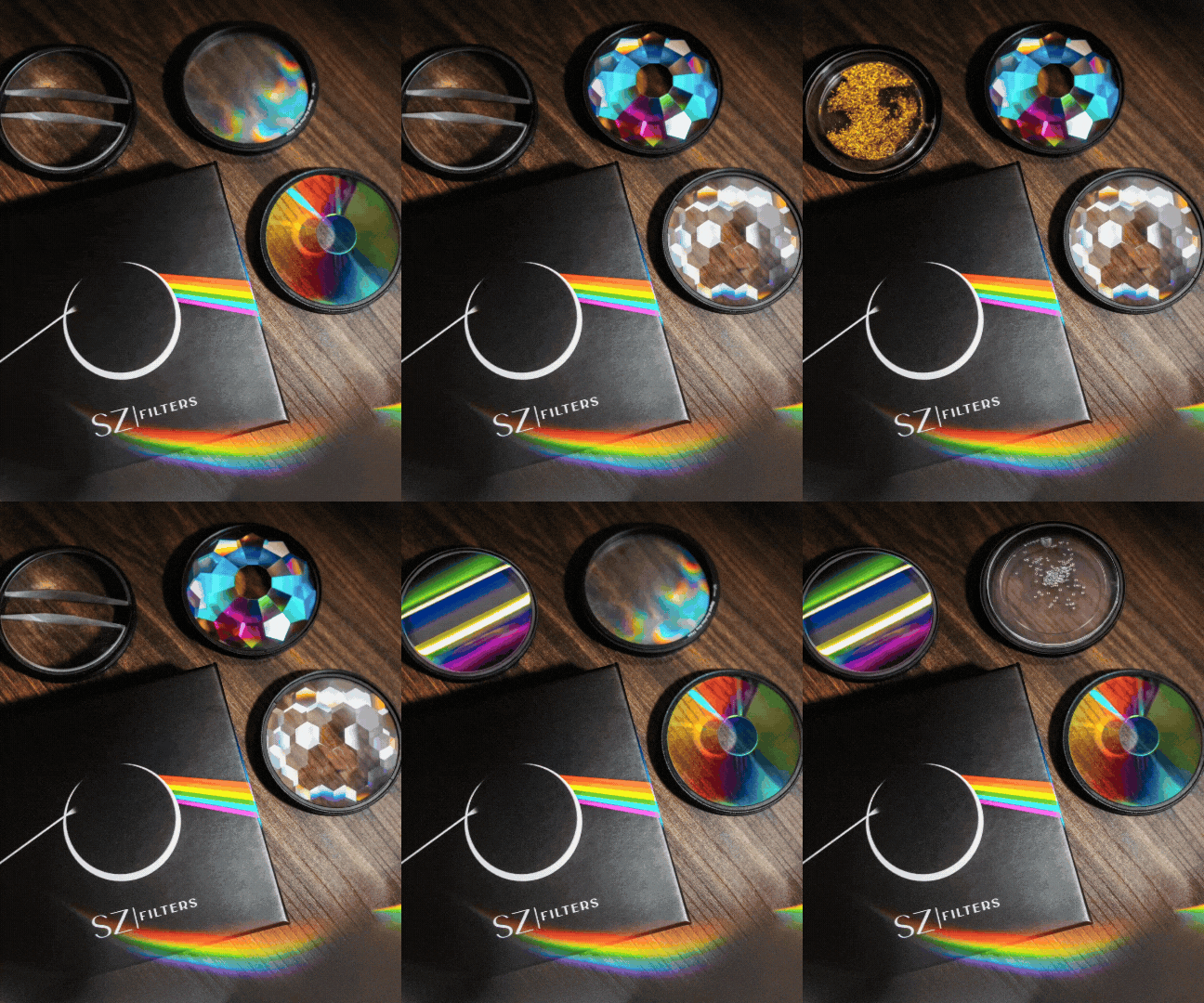
Mix, experiment, and create something unexpected. Or let our Mystery Box surprise you with three creative filters ready to explore.
What unexpected combination will you discover?
 Explore Creative Filters Discover the Mystery Box