

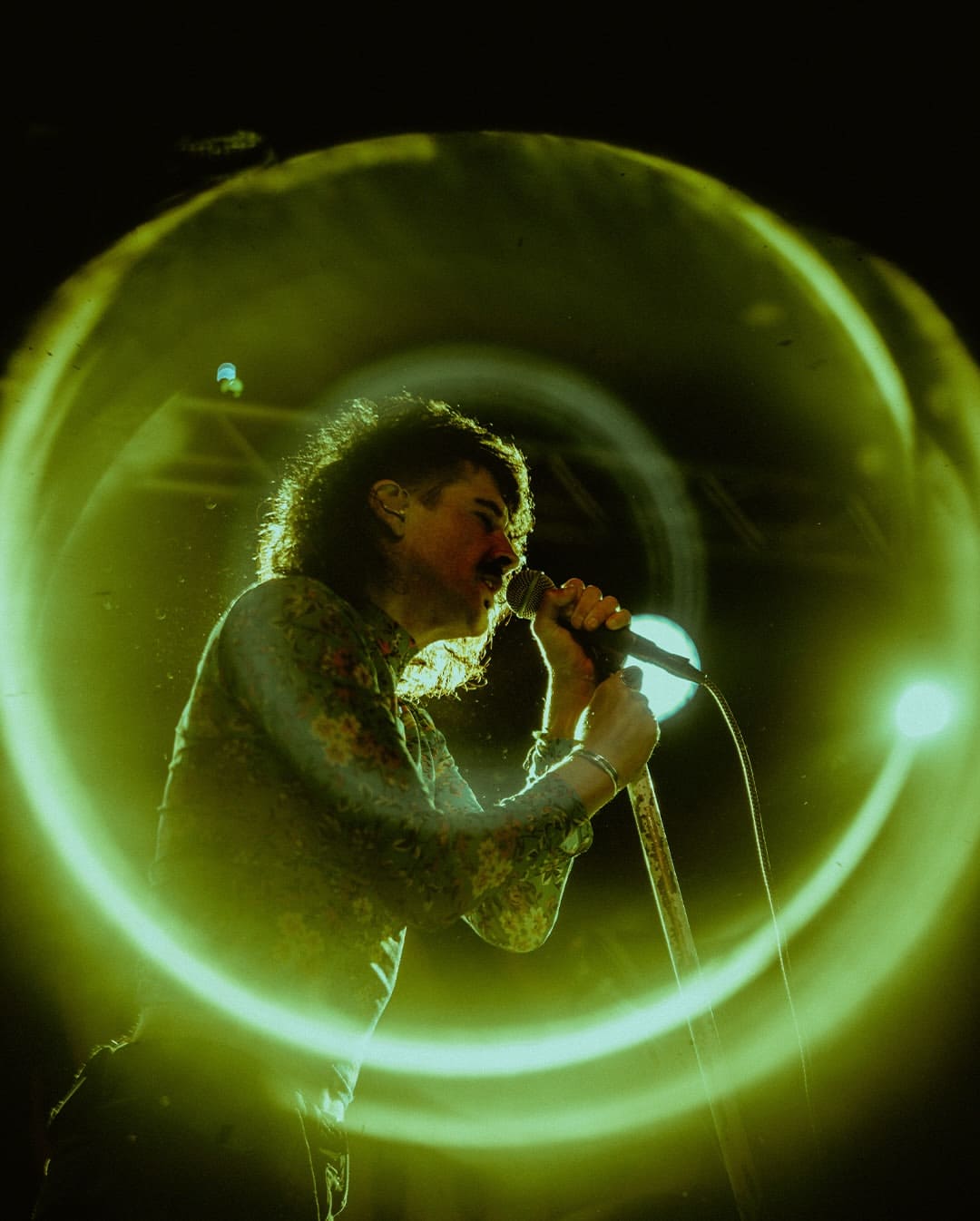
f you’ve ever wondered why the same scene can look completely different when using the same filter, the answer is simpler than you might think.
And no—it’s not because the filter works differently every time.
Lighting, your lens, the camera angle, the distance to your subject, and even small changes in the scene can completely transform the final image.
This means two photographers can use the exact same creative filter, in the same location, and still capture completely different results.
Far from being a problem, that’s exactly what makes creative filters for photography so unique. Unlike a digital effect that always looks the same, a physical filter interacts with the light in front of your lens, making every photograph one of a kind.
If there’s one factor that has the biggest impact on how a creative filter looks, it’s light.
Photographing a landscape at noon is completely different from photographing a city street filled with neon lights at night. Likewise, soft window light creates a very different effect than an LED light pointed directly at your camera.
Many filters perform best when there are points of light, reflections, or backlighting in the scene. Under flat or evenly lit conditions, the effect may appear much more subtle.
In other words, a filter doesn’t create the light—it works with the light that’s already there.
That’s why a photo taken during sunset can look completely different from another captured just ten minutes later, after the sun has shifted position.
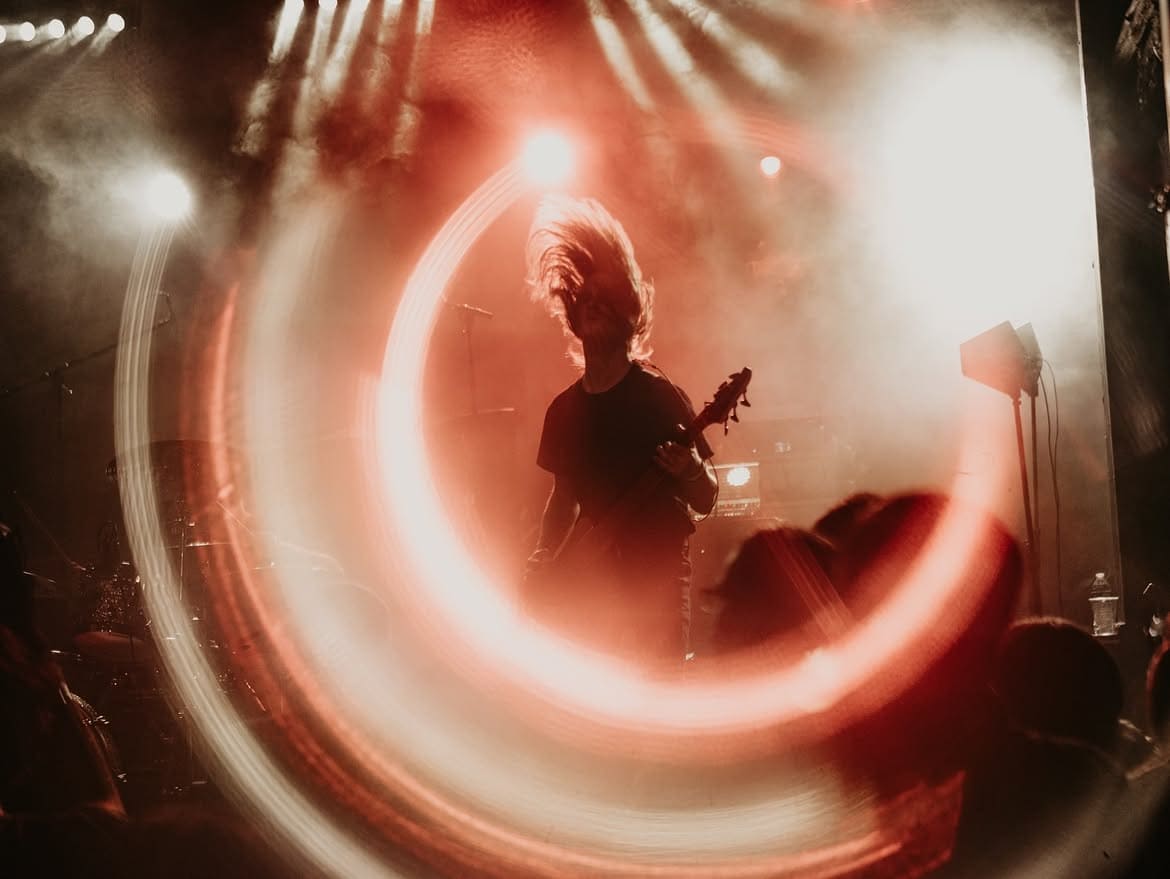
When people think about creative photography, it’s easy to assume the filter is doing all the work. In reality, the way you view and frame a scene has just as much influence on the final result.
It’s important to understand the difference between two concepts:
Both affect the image—but in different ways.
The distance to your subject changes how reflections, halos, and light streaks appear. In a close portrait, a filter may softly wrap light around your subject, while from several meters away that same effect can become much more subtle.
Your focal length also changes the look of the image. A 35 mm lens captures a wider field of view, while a 200 mm lens compresses perspective and visually brings the background closer. As a result, the same filter can produce completely different images depending on the lens you’re using.
Sometimes all it takes is rotating the filter slightly, moving the camera a few inches, or changing the angle of the light to discover an entirely new effect.
Think of a diamond. It’s the same stone, but every time you turn it, it reflects light differently.
Creative filters work much the same way.
There’s one detail that isn’t talked about very often.
When you place a creative filter in front of your lens, light has to pass through an additional optical element before reaching the camera sensor.
Depending on the filter, the lighting, and the scene itself, your camera’s autofocus system may take a little longer to lock focus. This is especially common when working with LED lights, reflections, backlighting, or stronger creative effects.
For that reason, many photographers switch to manual focus in certain situations.
That doesn’t mean autofocus stops working. Manual focus simply gives you greater control when you’re aiming for a specific composition or when the camera struggles to decide where to focus.
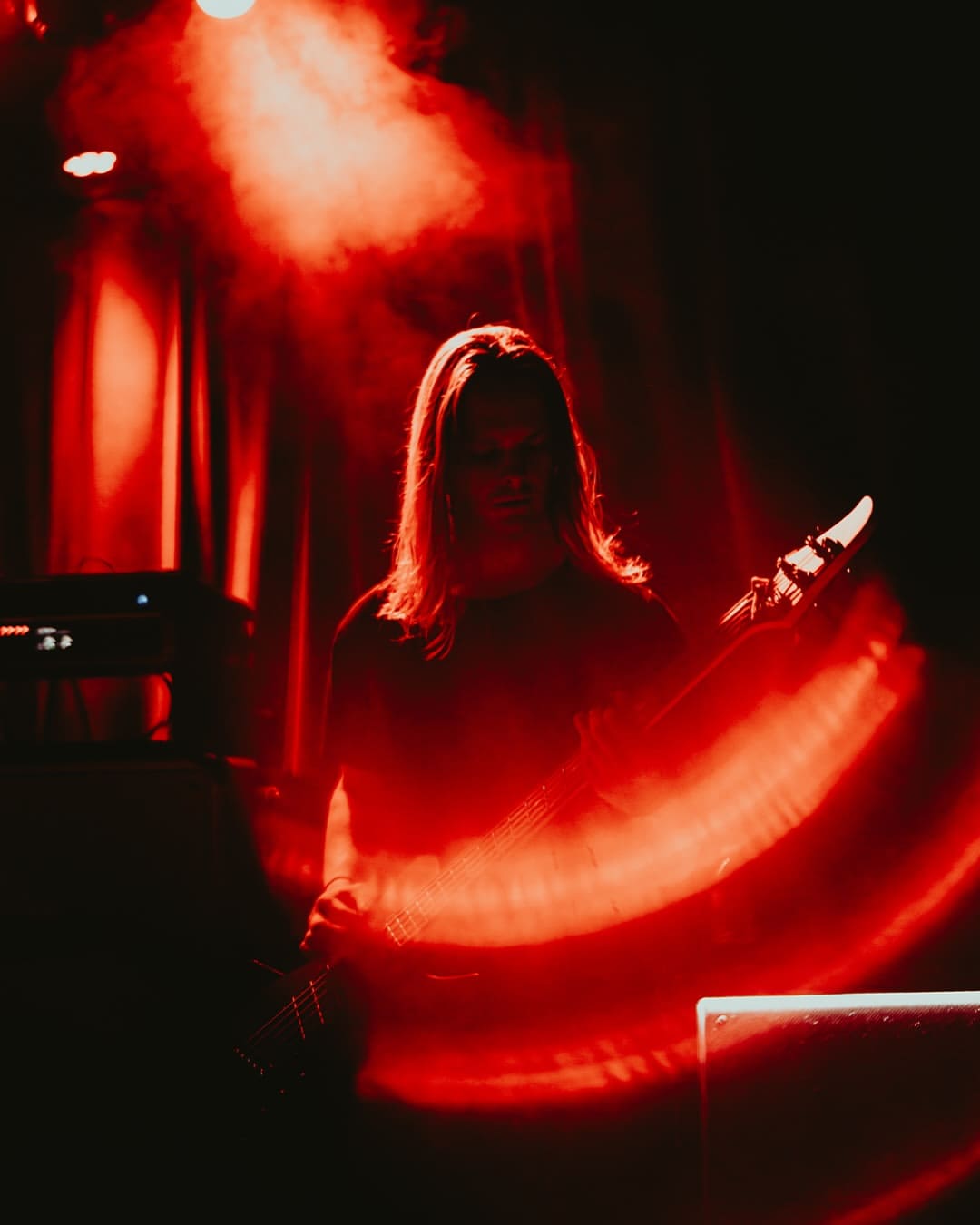
When you see an incredible photo on Instagram, you’re probably looking at the result of several minutes of experimentation.
All of these steps are part of the creative process.
Creative filters aren’t designed to produce the same image every time. They’re designed to help you create something unique every time you press the shutter.
If you’ve ever asked yourself this question, the answer is probably yes.
In most cases, when a filter produces a result that looks different from what you expected, it doesn’t mean there’s anything wrong with it. It simply means it’s reacting to a different scene.
The final result can be influenced by:
Before assuming your filter isn’t working properly, try using a stronger light source, changing your shooting angle, adjusting your distance to the subject, or experimenting with another lens.
Very often, the effect you’re looking for appears after just one small adjustment.
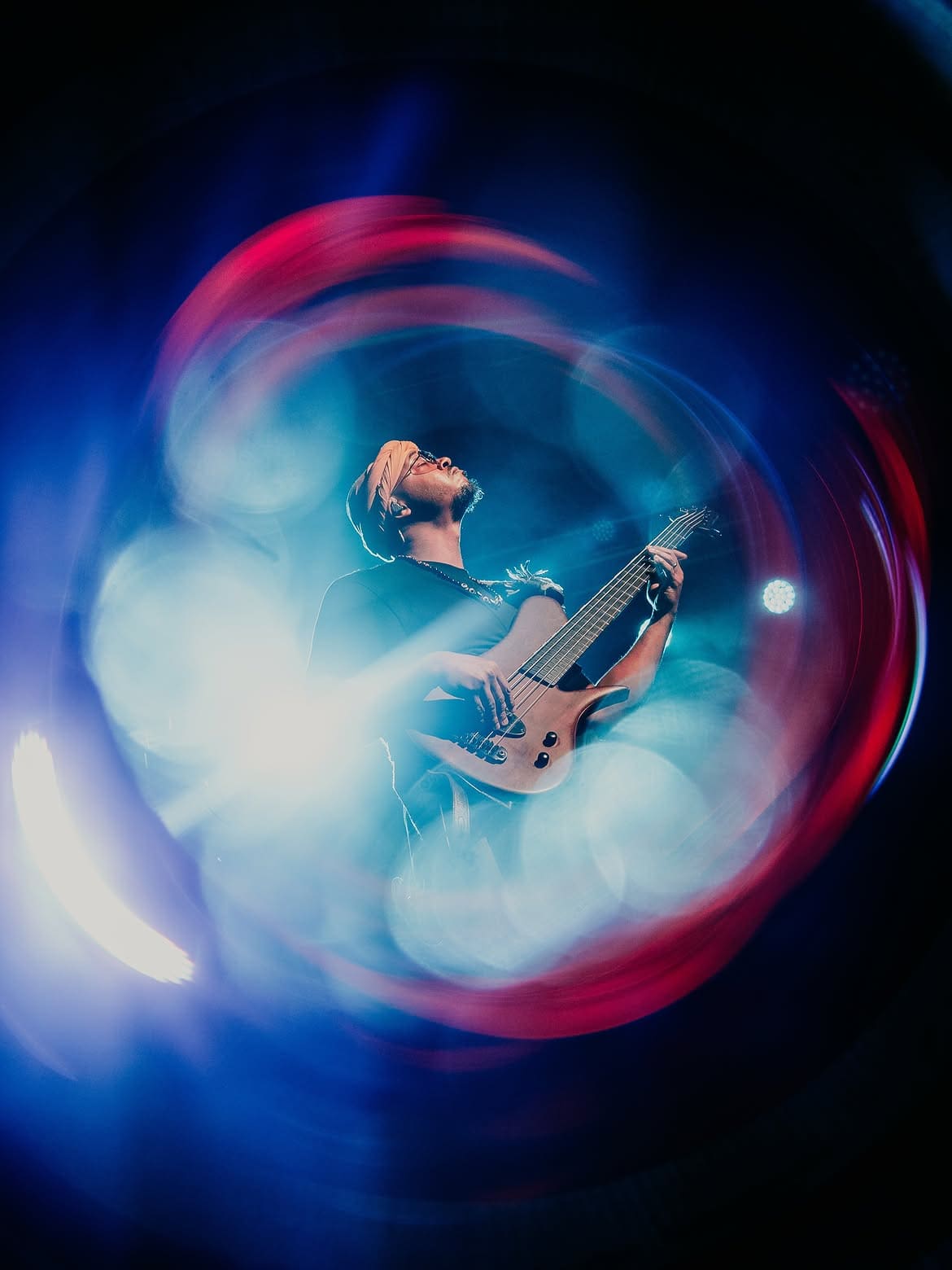
Every creative camera filter reacts differently depending on the scene, the light, and the way you shoot.
That’s the beauty of creating effects directly in-camera: every image has the potential to become something unique.
Explore our collection of creative filters and discover new ways to transform light in your photography and filmmaking.